Affiliate program setup guide for iGaming operators in 2026

Setting up an affiliate program in the iGaming industry presents unique challenges, from tracking accuracy issues to sophisticated fraud attempts that can drain your marketing budget. Casino operators need a structured approach to build programs that maximize revenue while maintaining security and compliance. This guide walks you through essential prerequisites, implementation of server-to-server tracking, fraud prevention techniques, and performance optimization strategies that transform your affiliate program into a reliable growth engine.
Table of Contents
- Essential Prerequisites For Setting Up Your Igaming Affiliate Program
- Implementing Server-To-Server Tracking And Fraud Prevention Techniques
- Troubleshooting Common Challenges And Optimizing Affiliate Program Performance
- Measuring Success And Scaling Your Igaming Affiliate Program
- Discover Affiliate Roulette For Your Affiliate Program Success
Key takeaways
| Point | Details |
|---|---|
| Postback tracking reliability | Server-to-server postback tracking eliminates browser-dependent issues and provides accurate conversion data |
| Fraud prevention essentials | IP allowlisting, replay protection, and hash verification secure your tracking infrastructure against fraudulent activity |
| Performance optimization | Regular monitoring of KPIs and transparent reporting enable data-driven program scaling and affiliate relationship building |
Essential prerequisites for setting up your iGaming affiliate program
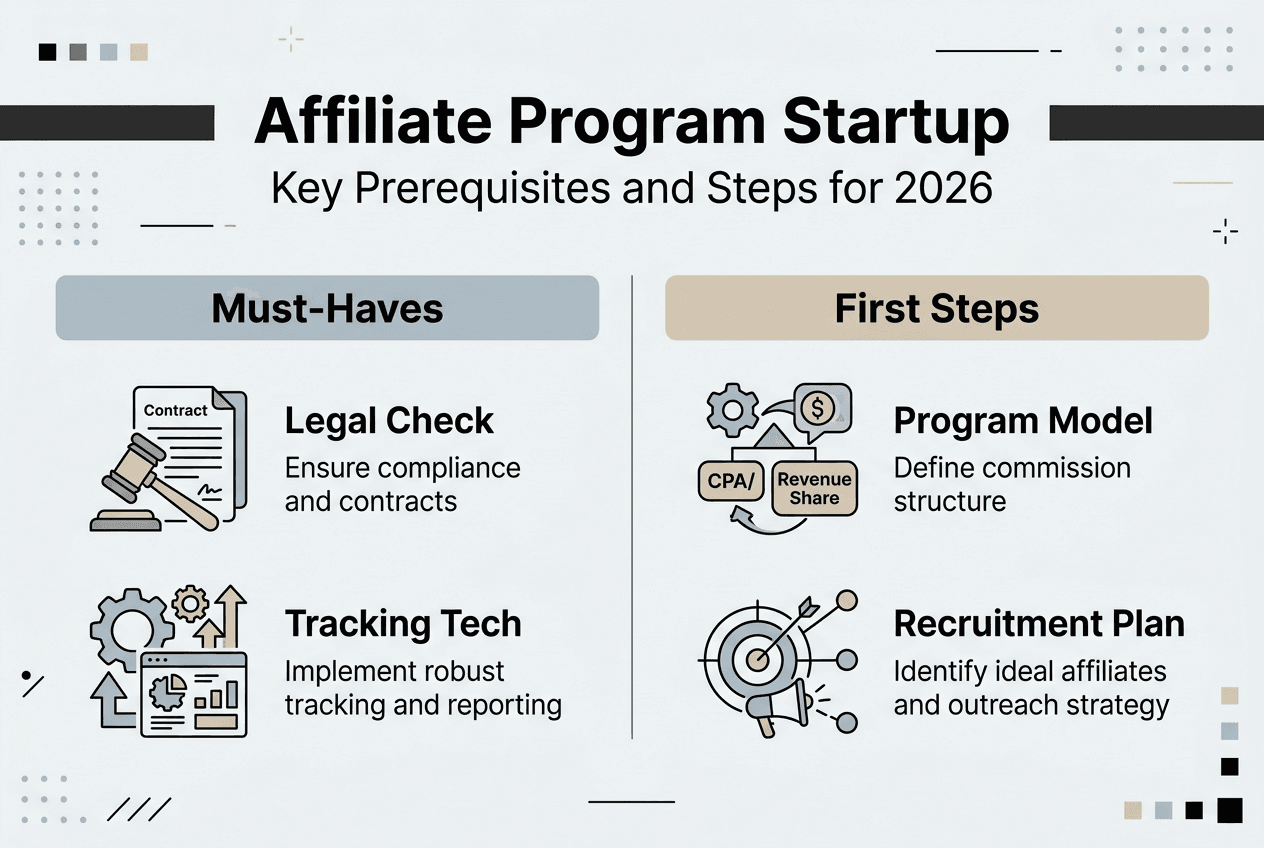
Before launching your affiliate program, you need foundational elements in place to ensure long-term success. Start by defining clear program goals aligned with your business objectives, whether you’re targeting player acquisition, increasing deposits, or expanding into new markets. Your goals directly influence commission structures, affiliate recruitment strategies, and performance metrics.
Legal and regulatory compliance forms the backbone of any iGaming operation. Research gambling regulations in your target jurisdictions, ensuring your affiliate program adheres to advertising restrictions, age verification requirements, and responsible gaming standards. Non-compliance risks hefty fines and reputational damage that can cripple your business.
Technology selection determines your program’s tracking accuracy and scalability. Choose affiliate tracking platforms that support postback tracking for privacy-friendly conversion recording rather than relying solely on client-side pixels. This approach future-proofs your program against browser privacy changes and ad blocker interference.
Understanding types of iGaming affiliate programs helps you select the right model for your brand. Revenue share arrangements align affiliate incentives with long-term player value, while CPA models provide predictable acquisition costs. Hybrid structures combine both approaches, offering flexibility for different affiliate tiers.
Plan your affiliate recruitment strategy before launch. Identify target affiliate profiles, whether they’re content creators, comparison sites, or streamers, and develop outreach materials that communicate your unique value proposition. Building an affiliate outreach program requires time and resources, but quality partnerships drive sustainable growth.
Pro Tip: Prioritize privacy-friendly postback tracking from day one to avoid costly migration later. Browser restrictions on third-party cookies continue tightening, making server-to-server tracking the only reliable long-term solution.
Your technology stack should integrate seamlessly with existing casino platforms, payment processors, and customer relationship management systems. Test all integrations thoroughly in a sandbox environment before processing real transactions. This preparation prevents tracking gaps that lead to affiliate disputes and lost revenue.
Implementing server-to-server tracking and fraud prevention techniques
Server-to-server tracking revolutionizes affiliate program accuracy by eliminating client-side vulnerabilities. Configure postback URLs that notify your affiliate platform directly when conversions occur, bypassing browser-dependent tracking methods. This architecture ensures postbacks remain unaffected by browser state, ad blockers, or cookie clearing.

Implementing secure postback verification protects against fraudulent conversion reports. Use HTTP status codes to confirm successful postback receipt, implement replay protection to prevent duplicate conversion submissions, and maintain IP allowlists restricting postback acceptance to verified affiliate platform servers. Hash verification adds another security layer, using cryptographic signatures to authenticate each postback request.
Comparing tracking methods reveals why server-to-server dominates in iGaming:
| Feature | Client-Side Pixel | Server-to-Server Postback |
| — | — |
| Browser dependency | High, affected by ad blockers and privacy settings | None, operates independently of user browser |
| Accuracy | Variable, subject to cookie deletion and tracking prevention | Consistent, reduces fraudulent conversions by up to 30% |
| Privacy compliance | Challenging with evolving regulations | Inherently privacy-friendly, no user-side tracking required |
| Implementation complexity | Simple initial setup | Requires technical integration but more robust |
Follow this postback setup process for your affiliate platform:
- Generate unique tracking tokens for each affiliate to isolate traffic sources and enable granular performance analysis
- Configure postback URL templates including dynamic parameters for conversion values, player IDs, and transaction timestamps
- Implement signature generation using shared secret keys to create hash values authenticating each postback
- Set up IP allowlists in your firewall restricting postback acceptance to your affiliate platform’s server IP addresses
- Enable replay protection by tracking processed conversion IDs and rejecting duplicate submissions
- Test postback firing using sandbox accounts before activating live affiliate traffic
Pro Tip: Monitor tracking logs daily during your first month to detect suspicious patterns early. Unusual conversion spikes, mismatched player data, or postbacks from unexpected IP addresses signal potential fraud attempts requiring immediate investigation.
Integrate fighting fraud in iGaming affiliation practices into your standard operating procedures. Regular security audits, affiliate screening processes, and automated fraud detection algorithms work together to maintain program integrity. Understanding why real-time tracking is crucial helps you identify and respond to issues before they escalate.
Document your tracking infrastructure thoroughly, creating runbooks for common troubleshooting scenarios. When discrepancies arise, having clear documentation accelerates resolution and maintains affiliate trust. Optimize your affiliate workflow by automating routine monitoring tasks while reserving human oversight for complex fraud investigations.
Troubleshooting common challenges and optimizing affiliate program performance
Tracking discrepancies frustrate affiliates and damage program credibility. When conversion counts differ between your platform and affiliate reports, systematically investigate potential causes. Time zone mismatches, delayed postback firing, and attribution window differences frequently explain apparent discrepancies. Establish clear attribution rules defining how conversions are credited when players interact with multiple affiliate touchpoints.
Server-to-server tracking eliminates discrepancies and enhances transparency by providing authoritative conversion records. Unlike client-side tracking where browser issues create data gaps, postback systems maintain complete audit trails. Share these logs with affiliates during dispute resolution, demonstrating your commitment to fair attribution.
Best practices for reducing fraud attempts include:
- Implement progressive verification, starting with basic checks for new affiliates and adding stricter requirements as traffic volume increases
- Monitor player behavior patterns, flagging accounts with suspicious deposit-to-withdrawal ratios or gameplay anomalies
- Cross-reference affiliate traffic sources with player registration data to identify inconsistencies
- Establish cooling-off periods before paying commissions on new player acquisitions, allowing time to detect fraudulent activity
Track performance metrics systematically using data tables:
| Metric | Week 1 | Week 2 | Week 3 | Week 4 | Trend |
|---|---|---|---|---|---|
| New player acquisitions | 45 | 52 | 48 | 61 | Positive |
| Average deposit value | $127 | $134 | $129 | $142 | Positive |
| Conversion rate | 3.2% | 3.5% | 3.4% | 3.8% | Positive |
| Fraud detection rate | 2.1% | 1.8% | 1.9% | 1.5% | Improving |
Analyzing these trends reveals program health and identifies affiliates requiring closer scrutiny. Sudden performance spikes warrant investigation, as they may indicate either exceptional marketing success or fraudulent activity. Context matters when interpreting data.
Optimize communication between affiliates and operators by establishing clear contact channels, response time expectations, and escalation procedures. Regular check-ins with top performers strengthen relationships and provide valuable market insights. Address common issues new iGaming affiliates encounter proactively through comprehensive onboarding materials and responsive support.
Pro Tip: Update IP allowlists and security settings monthly to maintain tracking integrity. Affiliate platforms occasionally change server infrastructure, and outdated allowlists block legitimate postbacks while creating false fraud alerts.
Develop troubleshooting workflows that balance security with operational efficiency. Not every anomaly indicates fraud, sometimes technical glitches or affiliate platform updates cause temporary tracking issues. Creating effective affiliate listings helps you attract quality partners less likely to engage in fraudulent behavior.
Continuous optimization requires testing new approaches while maintaining stable core operations. Experiment with commission structures, promotional materials, and affiliate recruitment strategies in controlled tests before rolling out changes program-wide. Data-driven decision making separates successful programs from those that stagnate.
Measuring success and scaling your iGaming affiliate program
Key performance indicators provide objective measures of affiliate program health. Track conversion rates showing the percentage of referred visitors who become depositing players, revealing affiliate traffic quality. Player lifetime value metrics demonstrate long-term program profitability, helping you identify which affiliates drive the most valuable customers. Monitor affiliate activity levels, measuring how actively partners promote your brand and engage with your platform.
Transparent reporting leveraging server-to-server data builds affiliate trust and attracts premium partners. Provide real-time dashboards showing clicks, conversions, and commission earnings without delays or discrepancies. Postback tracking enhances transparency, creating verifiable records both parties can reference during performance discussions.
Scale strategically by adding trusted affiliates gradually rather than pursuing rapid expansion. Quality trumps quantity in iGaming affiliate programs, where a few high-performing partners often generate more revenue than dozens of mediocre ones. Test new traffic sources carefully, starting with small budgets and scaling successful channels while cutting underperformers.
Maintain compliance and responsible gaming standards during expansion. As your program grows, regulatory scrutiny increases. Ensure all affiliate marketing materials include required disclaimers, age restrictions, and responsible gaming resources. Regular compliance audits prevent violations that could result in license suspension or market exclusion.
Pro Tip: Foster strong affiliate relationships through personalized communication, competitive commission rates, and timely payments. Top affiliates have multiple partnership options and choose programs that treat them as valued business partners rather than interchangeable traffic sources.
Understand KPIs for superior iGaming affiliate performance to benchmark your program against industry standards. Compare your metrics with competitor offerings, adjusting commission structures and support levels to remain competitive. Diversifying traffic sources protects against over-reliance on single affiliates or channels.
Develop tiered commission structures rewarding high-performing affiliates with better rates and exclusive promotions. This approach incentivizes growth while maintaining profitability on smaller partnerships. Create clear progression paths showing affiliates how increased performance translates to improved earnings.
Invest in building strong relationships in affiliate marketing through regular communication, exclusive offers, and recognition programs. Feature top performers in case studies, invite them to industry events, and provide early access to new games or promotions. These relationship-building efforts create loyalty that withstands competitor recruitment attempts.
Discover Affiliate Roulette for your affiliate program success
Affiliate Roulette transforms how casino operators build and manage affiliate programs through comprehensive tools designed specifically for iGaming partnerships. Our platform provides advanced tracking infrastructure with full postback support, eliminating the technical complexity of implementing server-to-server conversion recording. Access detailed resources on compliance and responsible gaming requirements, ensuring your program meets regulatory standards across multiple jurisdictions.

Explore our online gambling affiliate marketing guide for deeper insights into program optimization and growth strategies. Leverage our verified affiliate directory to connect with quality partners who drive genuine player value. Discover diversifying traffic sources strategies that reduce risk and accelerate sustainable growth.
FAQ
What is postback tracking and why is it beneficial?
Postback tracking uses server-to-server HTTP messages to report conversions directly between your casino platform and affiliate tracking system. This method bypasses browser-dependent tracking, remaining unaffected by ad blockers, cookie deletion, or privacy settings. Benefits include enhanced accuracy, fraud reduction, and compliance with evolving privacy regulations.
How can I prevent fraud in my iGaming affiliate program setup?
Implement server-to-server postback tracking as your primary conversion recording method, eliminating many client-side fraud vectors. Use IP allowlisting to restrict postback acceptance to verified affiliate platform servers, deploy replay protection preventing duplicate conversion submissions, and require cryptographic signature verification authenticating each postback. Regular monitoring of player behavior patterns and conversion data helps detect sophisticated fraud attempts.
What are common issues when launching an affiliate program and how to fix them?
Tracking discrepancies between operator and affiliate reports frequently occur due to time zone differences, attribution window mismatches, or delayed postback firing. Resolve these by standardizing time zones across systems, clearly documenting attribution rules, and verifying postback configuration. Affiliate miscommunication causes unnecessary disputes, fix this through comprehensive onboarding materials, responsive support channels, and transparent reporting dashboards.
Which KPIs should I track to gauge affiliate program success?
Monitor conversion rates showing what percentage of affiliate traffic becomes depositing players, player lifetime value indicating long-term profitability, and affiliate engagement metrics measuring promotional activity levels. Track commission-to-revenue ratios ensuring program profitability, and measure player retention rates revealing traffic quality. Use transparent reporting tools providing real-time data access for both operators and affiliates.
Recommended
Comments
You must be logged in to leave a review.