iGaming Networks: Driving Casino-Affiliate Success

Selecting the right partnership in the crowded world of online gambling can be the difference between steady growth and ongoing headaches. European affiliate marketers and casino operators face unique challenges where regulatory shifts, payment reliability, and compliance standards shape every decision. Gaining a clear understanding of iGaming networks gives you the power to cut through confusion, assess partner quality, and protect your interests in this rapidly evolving environment.
Table of Contents
- What Are iGaming Networks and Their Purpose
- Types of iGaming Networks and Key Distinctions
- How iGaming Networks Operate and Main Features
- Regulatory Challenges and Compliance Requirements
- Risks, Mistakes, and Best Practices for Partners
Key Takeaways
| Point | Details |
|---|---|
| iGaming Networks Connect the Industry | They serve as the essential infrastructure linking operators to services like payments and compliance, streamlining processes across the gambling ecosystem. |
| Compliance is Critical | Ensuring adherence to regulatory standards is essential for maintaining trust and financial stability in the iGaming business. |
| Choose Partners Wisely | Conduct thorough due diligence on networks to avoid issues such as delayed payments and regulatory non-compliance. |
| Ongoing Monitoring is Necessary | Regularly review partner performance and compliance status to identify any emerging risks or issues promptly. |
What Are iGaming Networks and Their Purpose
iGaming networks are the connective infrastructure that links online casinos, sportsbooks, poker platforms, and other gambling operators with the systems, partners, and services they need to function effectively. Think of them as the nervous system of the entire online gambling ecosystem.
iGaming encompasses all forms of online gambling, including casino games, sports betting, poker, and lottery services accessed through computers and mobile devices. These networks coordinate multiple players in this massive market.
The purpose of iGaming networks is straightforward: they make the entire industry work smoothly. Here’s what they accomplish:
- Connect operators to payment processors, software providers, and affiliate marketers
- Ensure compliance with local gambling regulations across different jurisdictions
- Facilitate secure identity verification and responsible gaming controls
- Create transparent pathways for traffic sources, publishers, and casino brands to partner effectively
- Track performance metrics and revenue sharing between all parties
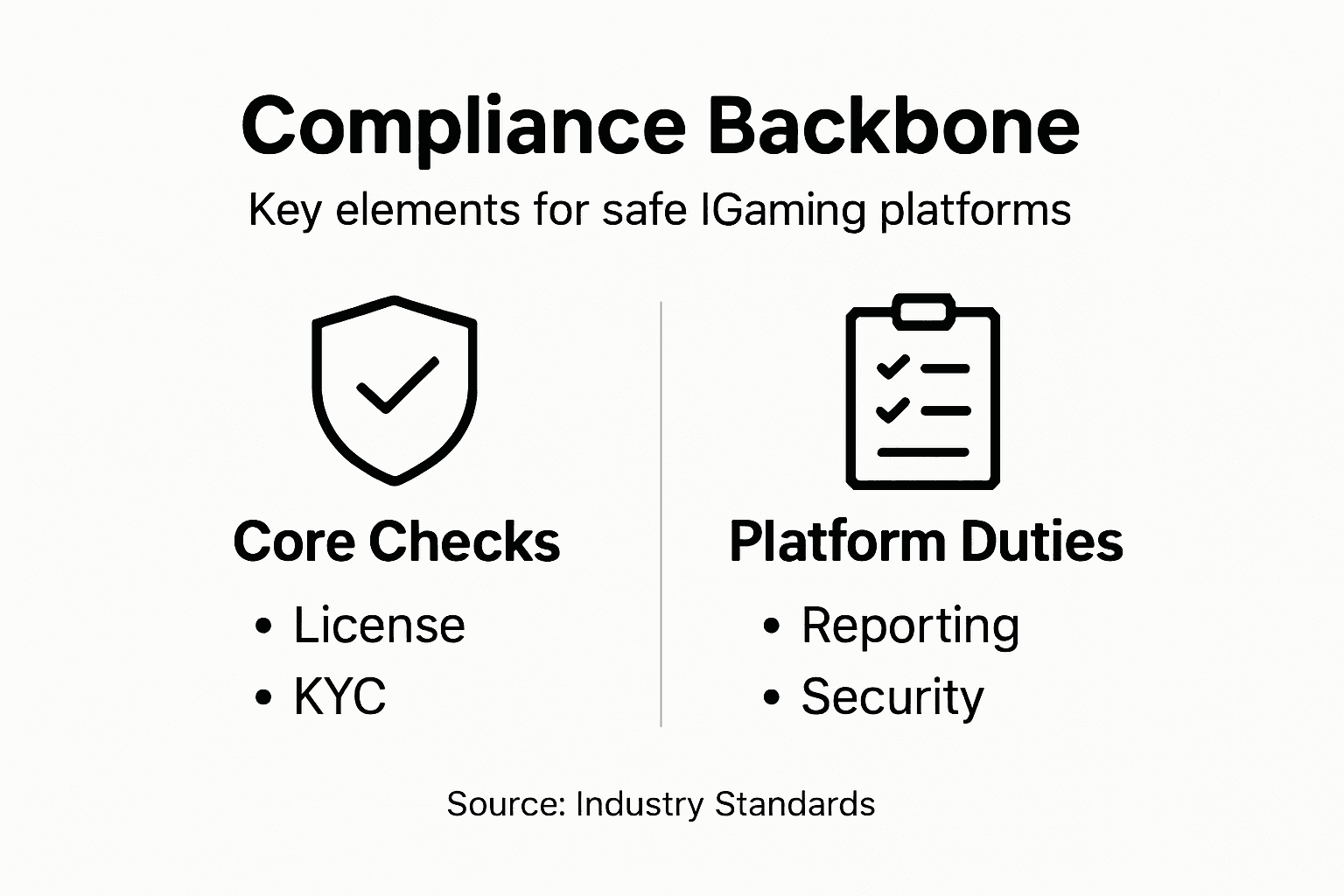
Regulatory Compliance stands as the backbone of modern iGaming networks. Internet gaming platforms must operate as legally regulated, safe environments where players can trust their data and funds are protected.
For affiliate marketers in Europe, understanding this infrastructure matters because it directly affects your commission structure, payment reliability, and which operator networks you can legitimately promote. Not all networks have equal compliance standards or partner support.
These networks also provide the transparency layer that Affiliate Roulette facilitates—verified listings, community reviews, and fraud reporting mechanisms that help you identify trustworthy casino brands and affiliate partners.
iGaming networks eliminate the chaos of individual operator-affiliate relationships by creating standardized, regulated pathways that protect all participants.
Without these networks, affiliates would negotiate individually with hundreds of operators, each with different payment terms, compliance requirements, and tracking systems. Instead, networks standardize these relationships, making partnership more efficient.
Pro tip: When evaluating which iGaming network to partner with, verify their licensing status and check whether they maintain compliance across the jurisdictions where you promote—this directly impacts your income stability.
Types of iGaming Networks and Key Distinctions
iGaming networks come in multiple varieties, each serving different purposes within the gambling ecosystem. Understanding these distinctions helps you identify which partnerships align with your affiliate strategy and audience.
The broadest categorization separates B2C operators from B2B software providers. B2C networks operate directly to consumers through their own platforms—think of a sportsbook or casino running their own website. B2B providers supply the technology and games that power multiple operator brands behind the scenes.

Here’s a comparison of B2C and B2B iGaming network models:
| Aspect | B2C Networks | B2B Providers |
|---|---|---|
| Primary Audience | Consumers and players | Casino and sportsbook operators |
| Core Offering | Gaming platforms, direct betting | Technology, game development, infrastructure |
| Revenue Approach | Player wagers and interaction | Licensing, fees from operator clients |
| Affiliate Impact | Direct commission, broad appeal | Niche marketing, specialized partners |
Common iGaming network types include:
- Online casinos offering slots, table games, and live dealer experiences
- Sportsbooks focused exclusively on sports betting across leagues and events
- Poker rooms where players compete against each other in various formats
- Bingo platforms combining social gaming with prize pools
- Esports betting sites targeting the gaming community
- Fantasy sports platforms offering season-long and daily competitions
These different platform types vary significantly in their operational complexity and player engagement strategies. Casino networks emphasize game variety and promotional bonuses, while sportsbooks focus on odds competitiveness and live betting features.
Software aggregators represent another critical distinction. Rather than building games from scratch, aggregators compile games from multiple developers into a single platform. This approach reduces costs and accelerates time-to-market for operators.
Full platform providers handle all aspects internally—game development, licensing, payment processing, and customer support. This vertical integration gives them control but requires massive capital investment and expertise.
Regulatory licensing creates major distinctions too. A network licensed in Malta operates differently than one licensed in Gibraltar or the United Kingdom. These jurisdictional differences affect your compliance obligations and the markets you can legally promote to.
The most successful affiliates recognize that network type determines everything—from payout structures to marketing permissions to geographic restrictions.
Multi-vertical networks combine casino, sports betting, and poker under one umbrella. Single-vertical networks specialize deeply in one category. Multi-vertical networks attract affiliates seeking diverse monetization, while specialists offer higher earnings per player in their niche.
Payment and settlement methods also distinguish networks. Some integrate cryptocurrency alongside traditional banking. Others maintain strict fiat-only policies based on their licensing requirements.
Pro tip: Before promoting any network, verify their licensing jurisdiction and check whether they support affiliate marketing in your target countries—some regulated operators restrict affiliate promotions entirely.
How iGaming Networks Operate and Main Features
iGaming networks function like orchestrated ecosystems, coordinating multiple interconnected systems to deliver seamless gambling experiences. Understanding how they work reveals why some networks deliver reliable payouts and others falter under pressure.
At the core sits gaming infrastructure. This includes servers handling thousands of concurrent players, databases storing account information and transaction history, and content delivery networks ensuring games load instantly regardless of player location. Complex server architectures maintain the stability required for players to trust their money is safe.
Operational features include:
- Player account management systems tracking balances, bonuses, and wagering history
- Payment gateways supporting multiple currencies and local payment methods
- Random number generators certified for fairness across all games
- KYC (Know Your Customer) and AML (Anti-Money Laundering) compliance systems
- Encryption protocols protecting sensitive player data
- Fraud detection and intrusion prevention systems
Payment processing stands as a critical operational layer. Networks integrate with banks, e-wallets, and payment processors to handle deposits and withdrawals instantly. The best networks support cryptocurrency alongside traditional banking, giving players flexibility while maintaining regulatory compliance.
Secure payment systems and player verification are non-negotiable. Networks conduct real-time identity checks to prevent underage gambling, match players to sanctions lists, and block known problem gamblers flagged by responsible gaming databases.
Analytics and reporting form another essential feature. Networks track player behavior, engagement patterns, and risk indicators. This data helps operators identify high-value players, detect fraud, and optimize user experience.
Networks that operate transparently with strong compliance infrastructure attract affiliates because they ensure stable, sustainable partnerships without regulatory surprises.
Licensing compliance varies by jurisdiction. A network licensed in Malta follows different rules than one licensed in the United Kingdom. Networks managing multiple jurisdictions run parallel compliance systems, each following local regulations for taxation, player protection, and advertising restrictions.
Customer support infrastructure handles player disputes, technical issues, and account problems. Top networks offer multi-language support across time zones, critical for attracting European players from diverse markets.
Pro tip: Request detailed compliance documentation and uptime statistics from any network before partnering—networks with 99.5% or higher uptime and transparent licensing prove they’ve invested in reliable infrastructure.
Regulatory Challenges and Compliance Requirements
The regulatory environment for iGaming is fragmented, complex, and constantly shifting. Operating across European markets means navigating multiple jurisdictions simultaneously—each with distinct licensing requirements, enforcement priorities, and penalties for non-compliance.
The scale of this challenge cannot be understated. There are more than 150 jurisdictions worldwide imposing unique regulations on iGaming operators and their partners. For European affiliates, this translates to understanding UK, Maltese, Spanish, German, and Italian frameworks—often within the same marketing campaign.
Core compliance requirements across most European markets include:
- Valid gambling licenses from recognized authorities
- Know Your Customer (KYC) identity verification at signup
- Anti-Money Laundering (AML) transaction monitoring and reporting
- Responsible gambling tools including deposit limits and self-exclusion options
- Strict advertising standards prohibiting targeting minors
- Regular independent audits and reporting to regulators
- Player fund segregation to protect deposits during operator insolvency
Regulatory bodies like the UK Gambling Commission and Malta Gaming Authority enforce strict rules around player protection, advertising claims, and bonus structures. Violations result in substantial fines, license suspensions, or complete revocation.
Review these common regulatory authorities and their oversight areas:
| Authority | Jurisdiction | Focus Area | Notable Requirements |
|---|---|---|---|
| UK Gambling Commission | United Kingdom | Player protection, advertising | Strict advertising, KYC, AML |
| Malta Gaming Authority | Malta/Europe | Licensing, compliance | Multi-market focus, audits |
| Gibraltar Regulatory Authority | Gibraltar | Taxation, operator vetting | Financial transparency, player fund safety |
| Italian Customs and Monopolies Agency | Italy | Market access, tax rates | Localized advertising, regulatory changes |
Affiliate-specific compliance adds another layer. Many networks restrict which affiliates can promote their brands based on jurisdiction. A campaign legal in Malta might violate German advertising standards. The UK Gambling Commission prohibits certain bonus offers entirely, while Spain allows them with specific conditions.
Personal liability for executives represents a serious consideration often overlooked by smaller operators. Individual directors and compliance officers can face criminal charges for regulatory violations, not just corporate fines.
Law changes happen frequently. The UK updated its gambling rules in 2024. Germany expanded regulated markets in 2021. Italy regularly adjusts tax rates and licensing conditions. Networks that don’t monitor these shifts expose affiliates to accidental non-compliance.
Regulatory compliance isn’t a one-time checklist—it’s an ongoing operational requirement that demands constant attention to changing jurisdictional rules.
The decentralized US market creates additional complexity. Each state imposing its own requirements means affiliate campaigns targeting American players require state-by-state verification of compliance status.
Geographic targeting and promotional restrictions vary wildly. Some jurisdictions prohibit VPN-based access detection, while others mandate it. Bonus caps exist in some markets but not others. These distinctions matter legally and financially.
Pro tip: Before partnering with any iGaming network, request their compliance calendar showing upcoming regulatory deadlines and jurisdiction changes in your target markets—networks that provide this proactively typically maintain higher standards.
Risks, Mistakes, and Best Practices for Partners
Partnering with iGaming networks introduces genuine financial and reputational risks. Most failures stem not from bad luck but from predictable mistakes made during partner selection and ongoing management.
The biggest mistake affiliates make is rushing into partnerships without due diligence. Signing agreements with unvetted networks exposes you to delayed payments, sudden policy changes, or regulatory violations that damage your reputation through association.
Common partnership risks include:
- Networks experiencing unexpected license revocation due to compliance failures
- Operators blocking affiliate payments without warning
- Sudden changes to commission structures or bonus policies
- Reputational damage when partner networks face regulatory action
- Traffic quality deterioration affecting your player volume
- Payment processing delays or chargebacks affecting cash flow
Poor partner selection ranks as the primary mistake. Many affiliates partner based solely on commission rates without evaluating network stability, compliance history, or market reputation. A 35% commission from a network facing regulatory investigations isn’t better than a 20% commission from a compliant, stable operator.
Misaligned expectations and weak contracts between partners create ongoing friction. Vague payment terms, undefined performance metrics, and unclear dispute resolution procedures breed conflict. Solid agreements eliminate ambiguity about payment schedules, commission calculations, and termination conditions.
Negligent compliance represents a serious risk often underestimated by smaller affiliates. Promoting an unregulated operator or violating advertising standards in specific jurisdictions creates personal liability. Regulatory fines and license revocations can destroy your business faster than poor traffic conversion rates.
Best practices start with verification. Request licensing documentation, audit reports, and compliance certifications before partnering. Check whether regulatory bodies have issued warnings or enforcement actions against the network. Search industry forums for affiliate experiences—both positive and negative.
Implement continuous monitoring throughout your partnership. Track payment timeliness, player quality, and any regulatory announcements affecting your partner. Establish quarterly reviews where you evaluate network performance against agreed metrics.
Successful partnerships require three elements: clear written agreements, ongoing communication, and immediate escalation procedures when issues emerge.
Maintain transparent communication channels with your partner account manager. Clarify promotional restrictions, geographic limitations, and bonus policies in writing. If something feels ambiguous, request written clarification before launching campaigns.
Document everything. Save screenshots of commission rates, payment confirmations, and policy communications. This protects you if disputes arise about payment amounts or contractual obligations.
Pro tip: Create a partner scorecard tracking payment timing, support responsiveness, regulatory status, and player quality metrics—networks scoring below 7 out of 10 warrant immediate review or replacement.
Unlock Seamless Partnerships in iGaming Networks Today
The article highlights the complex challenges affiliates and operators face navigating regulatory compliance and establishing trustworthy collaborations within the fragmented iGaming ecosystem. If you struggle with verifying network licensing, ensuring payment reliability, or connecting with reputable casino brands and affiliate partners, you are not alone. The key to success lies in transparency, stability, and access to verified, reliable network connections tailored to your target jurisdictions and verticals.
Affiliate Roulette solves these challenges by offering a centralized platform where you can find trusted iGaming networks and operators backed by verified licensing, community reviews, and fraud reporting. With comprehensive directories and real-time insights, you gain full visibility into partner reputations and performance metrics that empower you to make informed decisions that protect your income and reputation.
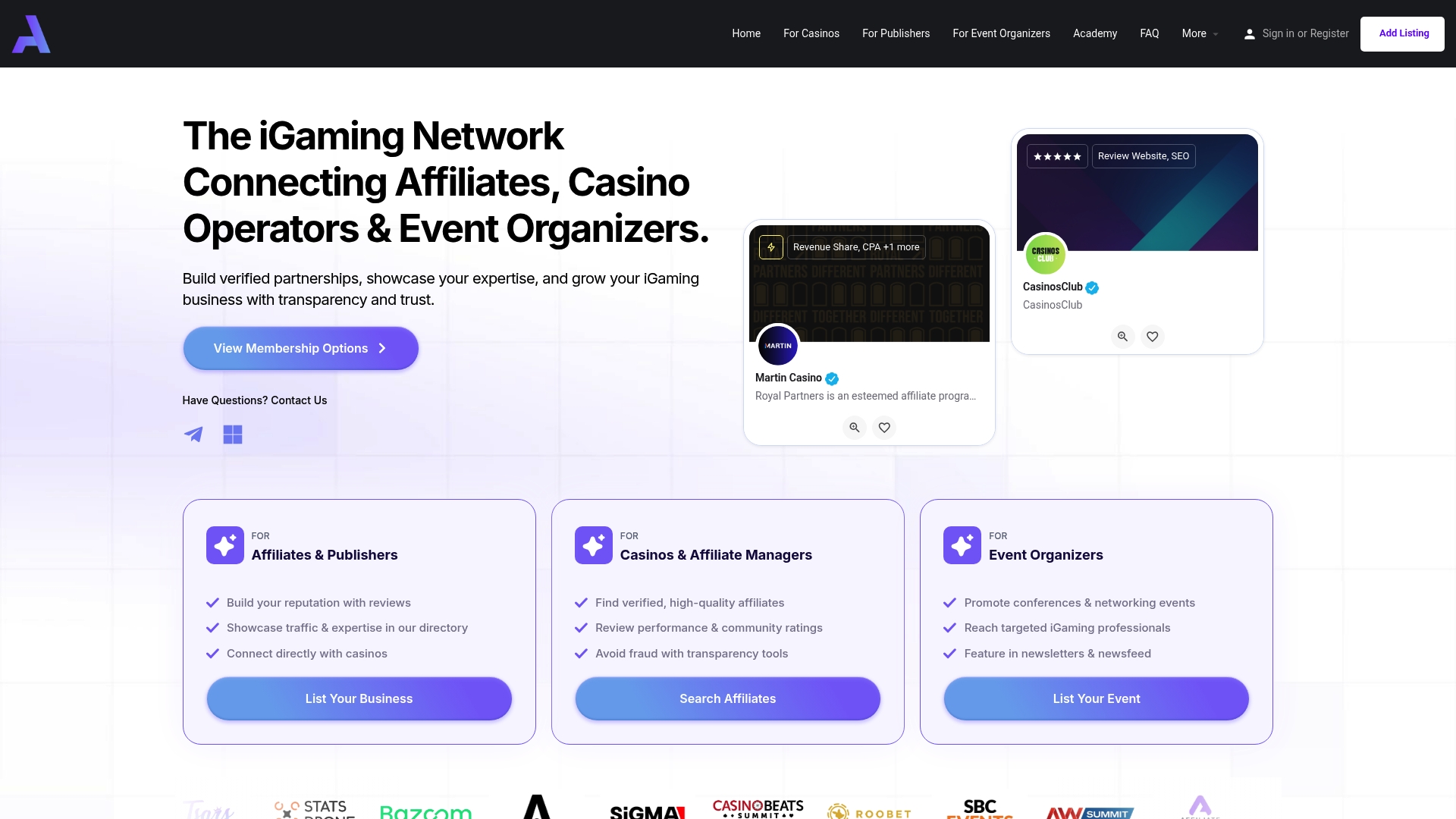
Take control of your affiliate journey now by discovering verified network partnerships on Affiliate Roulette. Start building transparent, compliant relationships that drive growth and stability in your iGaming business. Explore our detailed directories and join a community where trust and efficiency build your future success.
Frequently Asked Questions
What is the purpose of iGaming networks?
The purpose of iGaming networks is to provide the infrastructure that connects online gambling operators to critical services, ensuring smooth operations, regulatory compliance, secure payment processing, and effective partnerships.
How do iGaming networks ensure regulatory compliance?
iGaming networks ensure regulatory compliance by operating under licenses from recognized authorities, implementing KYC and AML systems, offering responsible gambling tools, and conducting regular audits to meet varying jurisdictional requirements.
What are the key types of iGaming networks?
The key types of iGaming networks include B2C operators, which directly serve consumers, and B2B providers, which supply technology and services to gambling operators. Common platforms include online casinos, sportsbooks, poker rooms, and esports betting sites.
What are the main risks when partnering with an iGaming network?
The main risks when partnering with an iGaming network include potential license revocations, sudden changes in commission structures, delayed payments, and reputational damage from associating with non-compliant operators. Thorough due diligence and ongoing monitoring can help mitigate these risks.
Recommended
Comments
You must be logged in to leave a review.